
"dark brown"
1000 article(s) found
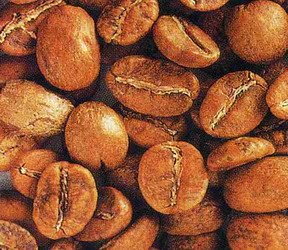
Coffee bean processing method Roasting technology skills: Coffee bean roasting degree introduction
The taste of coffee depends mainly on the roast, generally lighter roast will have a brighter sour, darker roast will have a stronger bitter, this is the basic rule. The depth of roasting depends mainly on the characteristics of raw beans, personal preferences and other factors, the most important thing is the balance of bitterness and sourness. Baking can be divided into light, medium, dark and very dark baking.
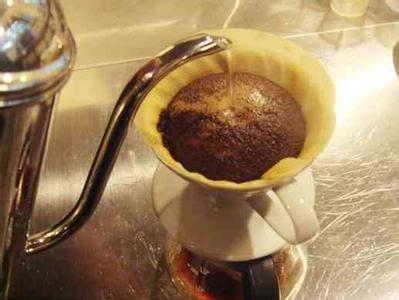
Coffee common sense Some common words in coffee extraction Concept
Yellowing: Describes the process by which the effluent changes from a dark brown color with tiger stripes to a uniform pale yellow color. This usually occurs in the last 1/3 of the paragraph, indicating that the extraction operation can be completed. The over-yellowing part of the espresso has a weak taste and little aroma. If it lasts too long, it will dilute the alcohol and no longer be a pleasant taste sensation. channel effect

Some Concepts of Common words in the extraction of Fine Coffee
Blonding: describes the conversion of the liquid from dark brown with tiger stripes to uniform light yellow. This usually occurs in the last 1amp 3 stage, indicating that the extraction operation can be ended. The over-yellowing part of espresso has a light taste and almost no aroma. If it lasts too long, it will dilute the mellowness and is no longer a pleasant taste. Channel effect (ch)

Some concepts of common words in extraction of boutique coffee beans
Blonding: describes the conversion of the liquid from dark brown with tiger stripes to uniform light yellow. This usually occurs in the last 1amp 3 stage, indicating that the extraction operation can be ended. The over-yellowing part of espresso has a light taste and almost no aroma. If it lasts too long, it will dilute the mellowness and is no longer a pleasant taste. Channel effect (ch)
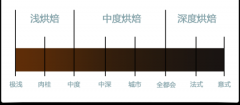
The eight stages of coffee roasting
Coffee roasting-countries roast to cities around the world, all have their preferred roasting tendencies. In Tokyo, micro-deep medium baking is more popular, but slowly it also tends to deep baking. As for Kansai, deep baking has been popular in the past. New York, as its name suggests, generally prefers urban baking, but because it is inhabited by different races, it also sells

Color change of coffee beans during roasting
Roasting turns light green (or light yellow) raw coffee beans into the familiar tea-brown coffee beans, which slowly change from green to yellow, then to brown, and finally to brown.

Coffee Roasting-Eight Stages of Roasting
Coffee Roasting-Roasting in various countries Every city in the world has its preferred roasting tendency. Tokyo, slightly darker medium roasts are more popular, but slowly also tend to be darker roasts. In Kansai, deep baking has been popular since then. New York, as its name suggests, tends to prefer urban baking, but because it is inhabited by a variety of races, it also sells a variety of foods.

How do the baking terms of boutique coffee beans describe the degree of roasting?
The key to why coffee is loved by people lies in the aroma formed after roasting and the taste when drinking, because the coffee raw bean itself has no special taste. Baking is like an ingenious magic, which completely changes and reorganizes the substances inside the raw beans to form a new structure. With a strong and mellow flavor, it has become a favorite drink. So you know the terms of coffee baking.

How to roast coffee beans and what is the best roasting degree?
Baking is roughly divided into shallow baking (Light), medium baking (Medium), urban baking (City) and deep baking (Deep). Light roasted coffee beans: will have a strong smell, very crisp, high acidity is the main flavor and slightly mellow. Medium-roasted coffee beans: have a strong mellow, but also retain a certain degree of acidity. City-baked coffee beans: dark brown on the surface

Scientific interpretation of Coffee extraction terms-Coffee must see knowledge
Coffee extraction is very knowledgeable, especially in the production of espresso. Here are some terms that professionals often use when talking about coffee extraction. Let's learn the following. Blonding: describes the conversion of the liquid from dark brown with tiger stripes to uniform light yellow. Usually this happens in the last 1amp 3 stage, which suggests that the extraction can be ended.
Roasting of high-quality coffee beans
The roasting of coffee beans is a very technical work. The raw beans are heated and cooked, and the moisture is removed to make them inflate. Through this procedure, the unique aroma and flavor of coffee can be produced. Generally speaking, if the frying time is short, the color of the coffee beans will be light brown and sour. If the roasting tone is dark, the bitterness will be enhanced and the color will be dark brown. Therefore, the roasting of coffee beans is divided into several different processes.
Coffee beans are made from coffee beans.
The roasting of coffee beans is a very technical job. The raw beans are cooked by heat and the moisture is removed to make them explode. After this procedure, coffee can produce unique aroma and flavor. Generally speaking, short cooking time, coffee beans will be light brown color, sour strong, if the color of the roast is darker, bitter increased, the color is also dark brown. Therefore, the roasting of coffee beans is divided into several different processes
Coffee roasting knowledge Coffee beans roasting method
The roasting of coffee beans is a very technical work. The raw beans are cooked by heat and removed from moisture to make them explode. After this procedure, coffee can produce unique aroma and flavor. Generally speaking, short cooking time, coffee beans will be light brown color, sour strong, if the color of the roast is darker, bitter increased, the color is also dark brown. Therefore, the roasting of coffee beans is divided into several different processes
Foam on the surface of "Espresso"
Foam on the surface of Espresso: foam: coffee fat (Cream Crema), also known as aromatic oil, is a reddish-brown foam on the surface of coffee, with a uniform color, about 3 mm ~ 5 mm thick. It consists of vegetable oils, proteins and sugars. Coffee fat has the combination of emulsion and foam colloid. If the emulsion is dark brown or even black, it indicates that the coffee has been extracted

The origin of the name of fancy coffee cappuccino coffee
Cappuccino coffee is a variation of Italian coffee, that is, strong coffee is poured with steamed milk, and the color of the coffee is like the headscarf on the dark brown coat of cappuccino monks, hence the name caffeine. It sounds complicated. Take a look at the following analysis. It turned out that the monks of the St. Franciscan Church, founded after 1525, wore brown robes.

Technical Standards of Coffee basic knowledge CREMA
Color: the aromatic oil is dark brown or hazelnut with a red mark. Sometimes there are even light stripes. Sex: aromatic oils are 2-4 mm thick, with slight or no buttonholes. Persistence: the aromatic oil does not fade for a long time, leaving a brown circle on the inside edge of the cup after drinking coffee. Concentration: strong, rich, strong aroma. Fine: elegant

The origin of the name cappuccino coffee
Cappuccino coffee is a variation of Italian coffee, that is, strong coffee is poured with steamed milk, and the color of the coffee is like the headscarf on the dark brown coat of cappuccino monks, hence the name caffeine. It sounds complicated. Take a look at the following analysis. It turned out that the monks of the St. Franciscan Church, founded after 1525, wore brown robes.

The knowledge of roasting coffee beans what is the reason why coffee roasting is astringent in the roasting skills of coffee?
Raw coffee beans themselves do not have any coffee aroma, only after baking, you can smell the strong aroma of coffee. So the roasting of coffee beans is the transformation process of the internal components of coffee beans, only after roasting to produce ingredients that can release the aroma of coffee, we can smell the aroma of coffee. But in the roasting process of coffee beans, the change in composition is ten.

The roasting of coffee beans is a very technical job.
The roasting of coffee beans is a very technical work. The raw beans are heated and cooked, and the moisture is removed to make them inflate. Through this procedure, the unique aroma and flavor of coffee can be produced. Generally speaking, if the frying time is short, the color of the coffee beans will be light brown and sour. If the roasting tone is dark, the bitterness will be enhanced and the color will be dark brown. Therefore, the roasting of coffee beans is divided into several different processes.
Identification of instant coffee
Coffee is Rubiaceae shrub, coffee tree fruit seeds, semicircle with grooves, fried into coffee powder, brown with special aroma, coffee powder can be drunk after boiling, if the juice is concentrated and then dried into instant coffee. Fake coffee is mixed with chicory root powder in real coffee, or roasted and crushed grains and beans. Real coffee contains caffeine and has a special aroma. Inferior quality